
Paint Correction in Helena, MT
Swirl marks, haze, holograms and light scratches pull the gloss out of your paint. Paint correction removes them by machine polishing the clear coat, and we do it with the least aggressive method that gets the result.
What paint correction is
Paint correction is machine polishing that levels the top of your clear coat to remove the defects sitting in it. Swirl marks, light scratches and haze are tiny grooves and edges in that layer. They catch light at different angles, which is what makes paint look dull or cloudy in the sun. Polishing removes a very thin, controlled amount of clear coat until the surface is flat again and reflects light cleanly.
This is different from a wax or glaze. Those products fill in defects so they are harder to see for a few washes, then the swirls come back. Correction removes the defects, so the result lasts until new damage is put into the paint.
Defects we correct
- Swirl marks from automatic car washes, brushes and dirty towels
- Light scratches and wash marring
- Holograms and buffer trails left by improper machine polishing
- Haze and dullness that make the paint look flat
- Light water spot etching from sprinklers and hard water
- Light oxidation on older or neglected paint
Correction levels
Those percentages are typical ranges, not guarantees. The real number depends on your paint, its color and how much clear coat it has to work with. For defects too deep for polishing, wet sanding can level the surface further. We recommend a level in your quote and tell you what is realistic before any work starts.
Why least aggressive matters
Clear coat is finite. Factory clear coat is only about 1.4 to 2.0 mils thick, and every correction pass removes a small amount of it that never grows back. A shop that reaches for the heaviest compound and pad on every car gets fast results today and leaves less protection for the next ten years.
We start with the gentlest pad and polish combination that will do the job, and only step up on the areas that need it. The goal is the most clarity and gloss for the least clear coat removed.
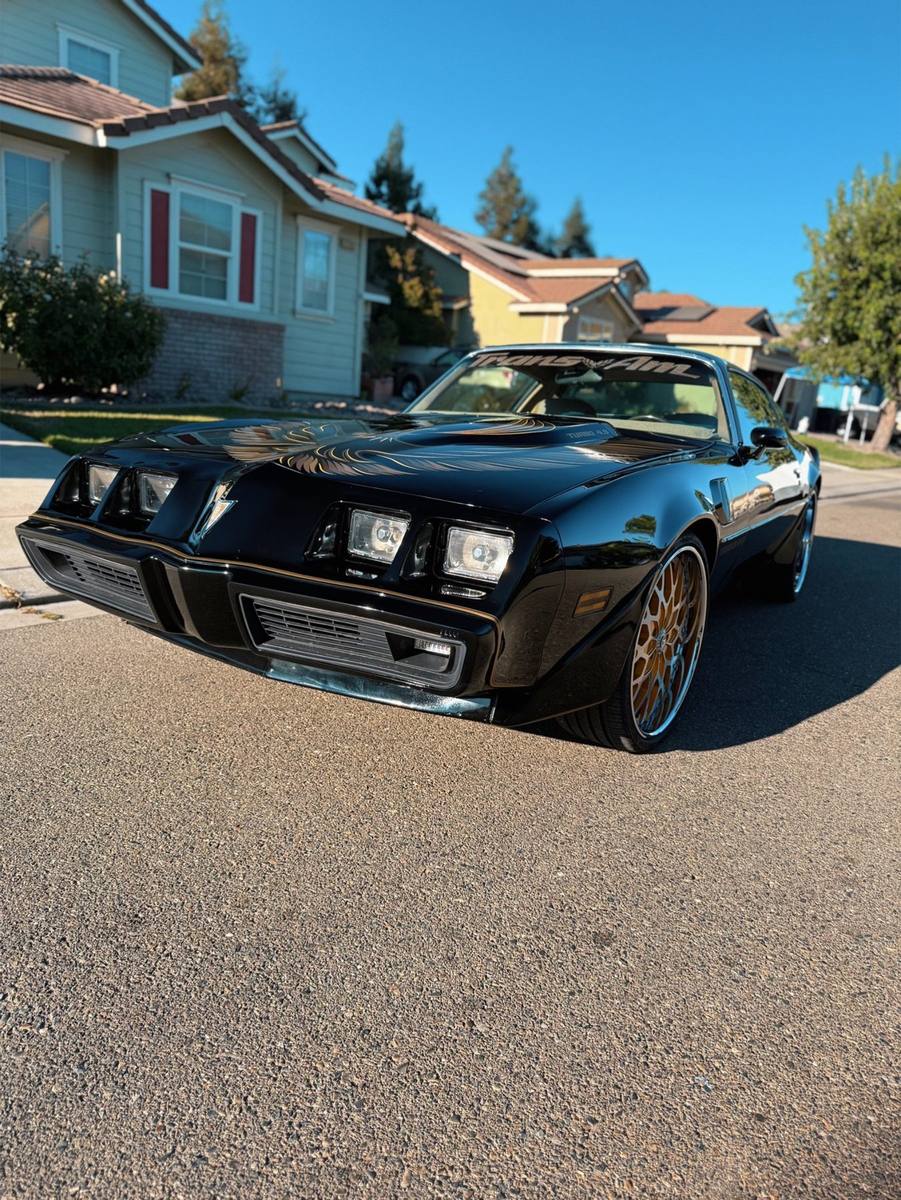
Damage from another shop? A large part of our correction work is fixing paint that was polished wrong somewhere else: buffer trails, holograms and hazing left by improper machine polishing. We documented one of these on a 1981 Pontiac Trans Am.
How correction works
- Inspect and measureWe look at the paint under inspection lighting and take paint thickness readings in mils, so we know how much clear coat there is to work with.
- Wash and decontaminateA no-contact pre wash, a careful contact wash and decontamination remove dirt, iron fallout and bonded contamination so nothing gets dragged around during polishing.
- Test sectionWe test pad and polish combinations on a small area to find the least aggressive method that gets the result on your paint.
- CorrectThe vehicle is polished panel by panel at the level you chose, stepping up only where defects need it.
- Final inspectionWe check the finish under lighting from different angles, remove polishing residue and go over protection options with you.
Signs your paint needs correction
- Spiderweb swirls show up in direct sun or under gas station lights
- The paint looks hazy or flat even right after a wash
- Panels look uneven or blotchy next to each other
- You can see fine scratches when you look across the paint at an angle
- Dark paint never looks as deep as it did when the car was new
What affects results
Paint hardness varies by manufacturer, so some finishes correct quickly and others take more time and passes. Defect depth matters most: anything that has cut through the clear coat cannot be polished out safely. Past polishing matters too. Paint that has been compounded heavily before has less clear coat left, which is why we measure before we start. Dark colors show every flaw, so they usually benefit from an extra refining step.
Before a ceramic coating
A ceramic coating locks in whatever is underneath it, swirls included. That is why correction almost always comes before a coating. Correcting first means the coating protects a clear, glossy finish instead of sealing in years of wash damage. If you are planning a coating, we quote the two together.
Who it's for
- Daily drivers with wash swirls from automatic car washes or dirty towels
- Black and dark colors where every defect shows in the sun
- Classic and custom vehicles headed for a show or a sale
- Any vehicle getting a ceramic coating
- Owners whose paint was damaged by improper polishing at another shop
Drop-off in Helena
Paint correction is a drop-off service in Helena. Polishing needs controlled lighting, a clean space and uninterrupted time, so we do this work in-house rather than in a driveway. Payment plans are available through Affirm and Klarna.
Questions
Will paint correction remove every scratch?
Not always. Defects that cut through the clear coat cannot be polished out safely. We tell you what can and cannot be corrected before we start.
Will correction change my paint color?
On modern paint, no. Polishing works on the clear coat on top of the color. On some older single-stage paint, a little pigment comes off on the pad during polishing, which is normal for that type of finish.
How long does paint correction take?
It depends on the size of the vehicle, the paint color and its condition. We give you a timeline along with your quote so you can plan the drop-off.
Is it worth it on a daily driver?
Often, yes. A 1-step correction makes a big visual difference on most daily drivers, and it is the right prep if you want a ceramic coating to keep the vehicle looking good.
Do I need a ceramic coating after correction?
It is not required, but freshly corrected paint should be protected. Many customers pair correction with a ceramic coating to keep the finish looking corrected longer.
What should I do before drop-off?
Remove personal items and let us know about any repaints, touch-ups or areas you are worried about. That helps us plan the right approach for each panel.
Service areas
Drop-off in Helena for owners from Helena, East Helena, the Helena Valley, Montana City, Clancy, Townsend and Boulder.
Recent work
Paint Correction results
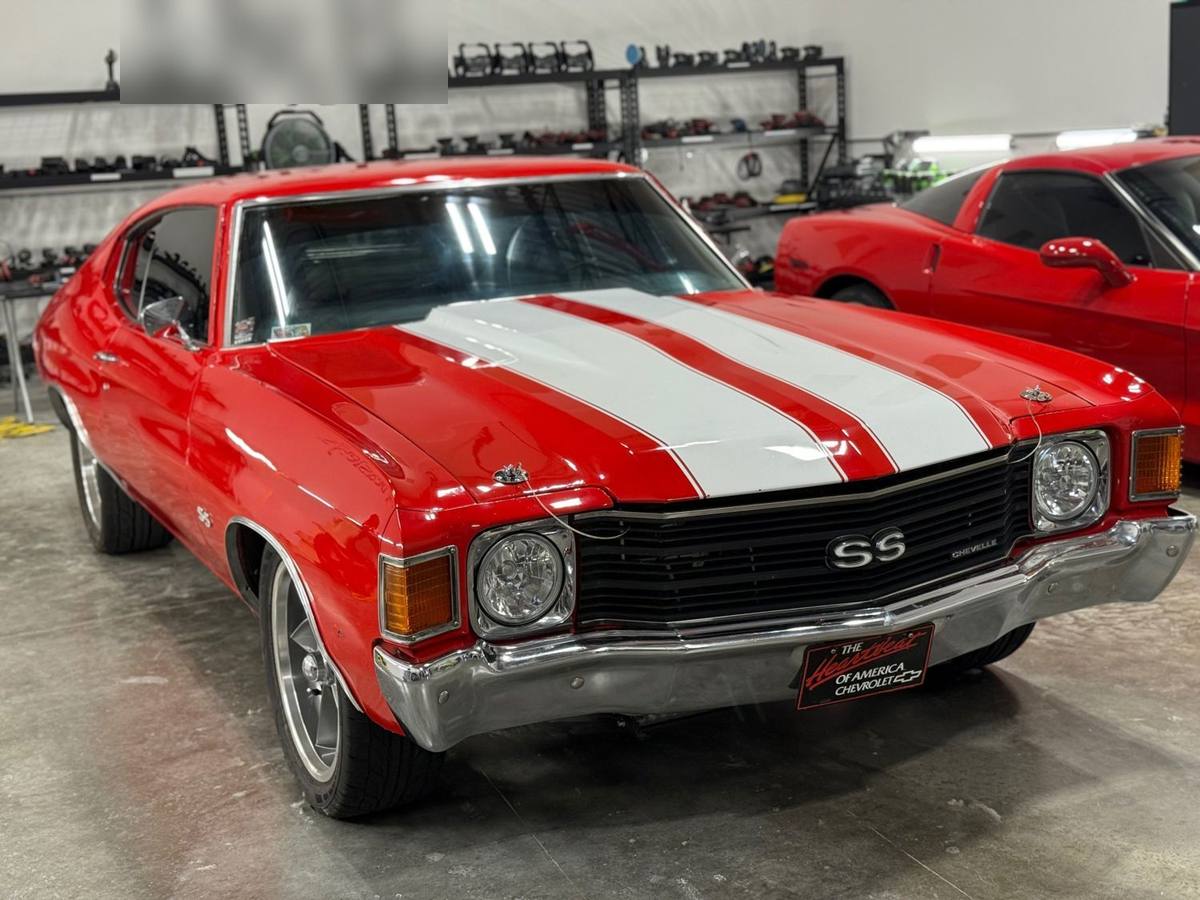
Real vehicles we have worked on. See the full gallery.
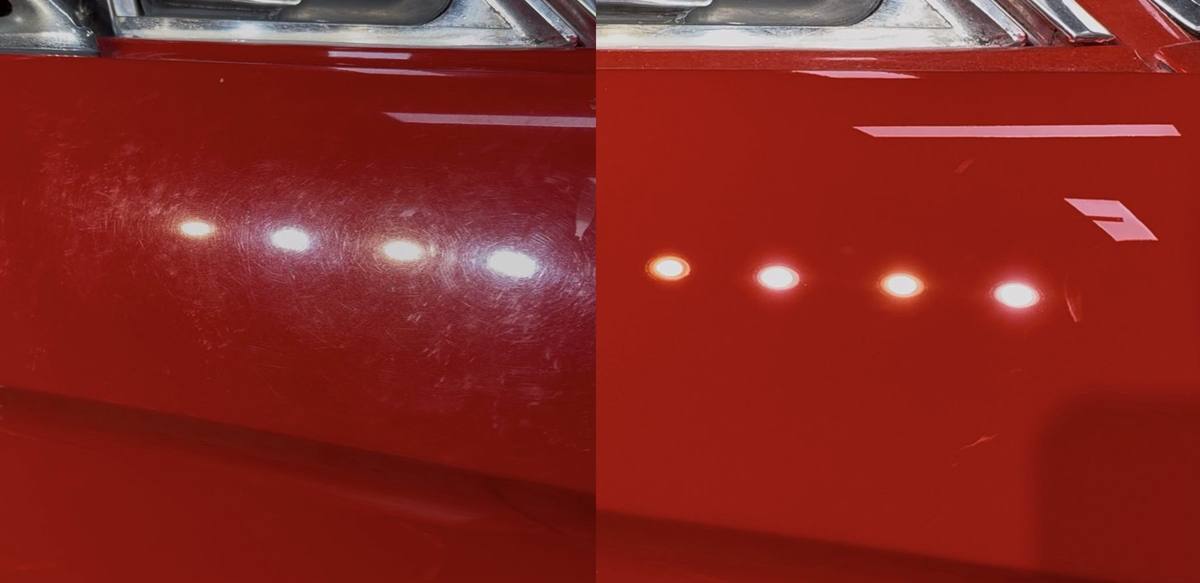 BeforeAfter
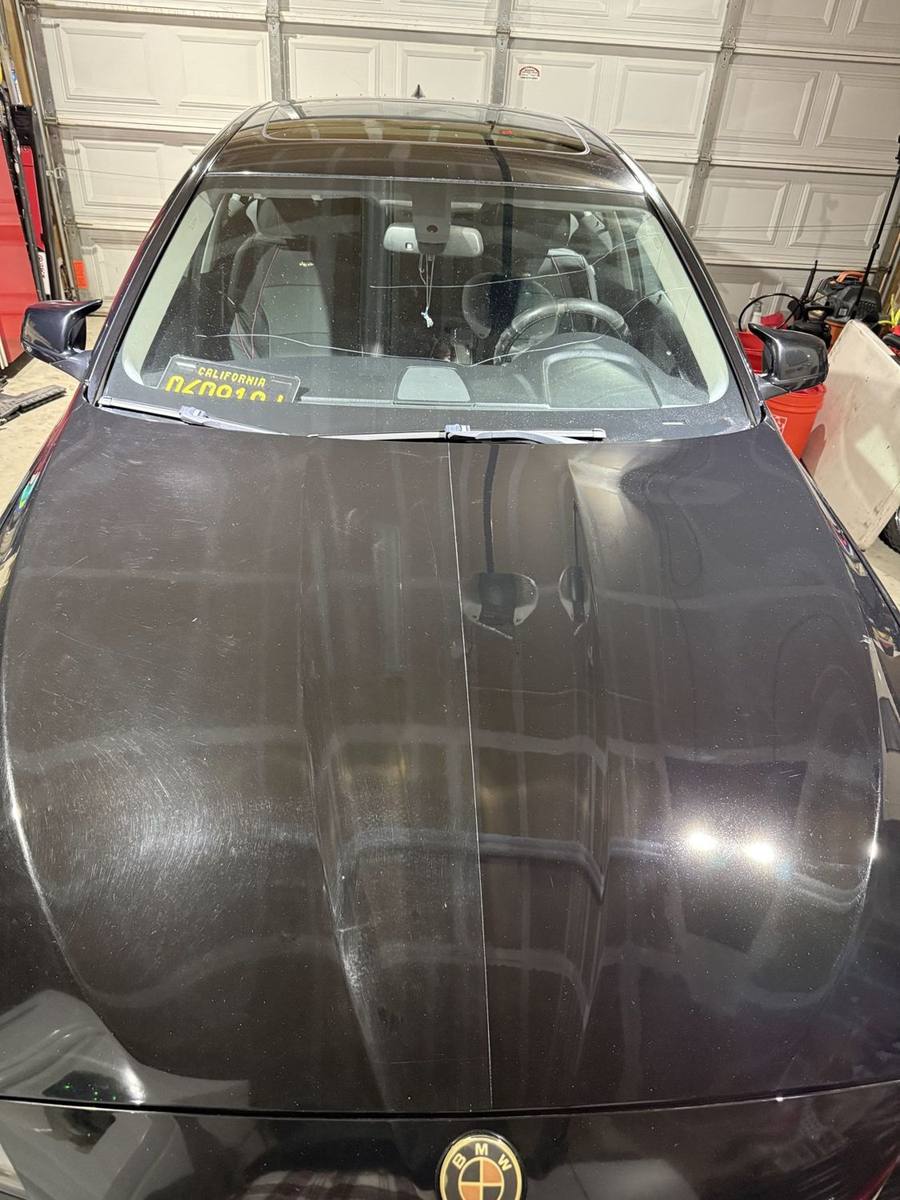
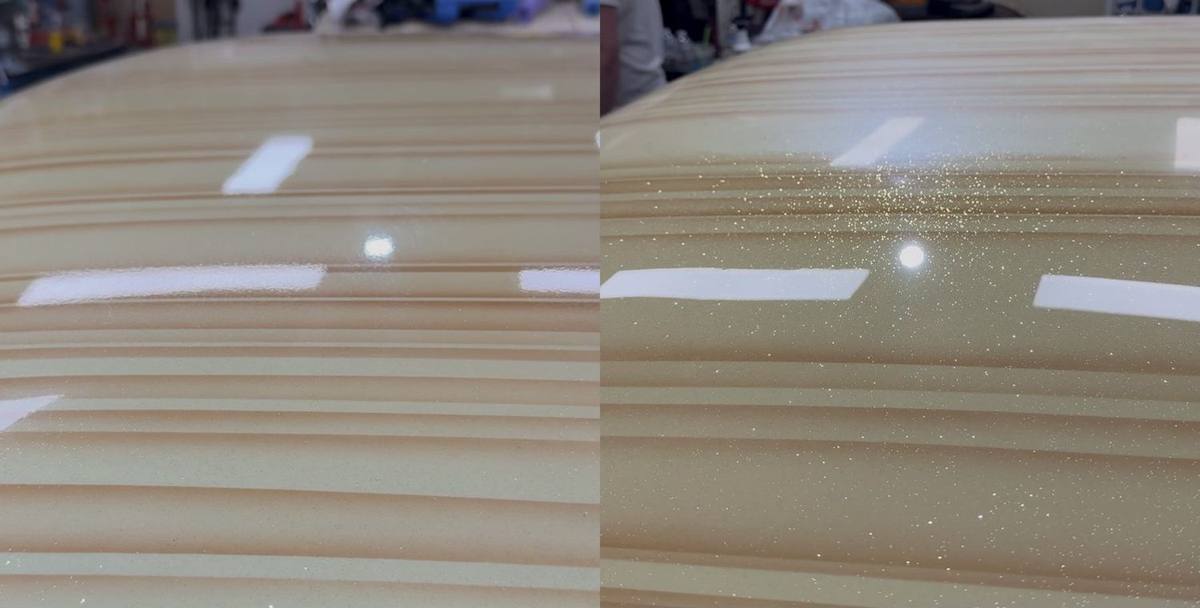 BeforeAfter
Book or get a quote
Ready for a show room shine?
Tell us about your vehicle and what you want fixed. Photos help us quote accurately.